71 years later, Emmett Till’s family honors his life, legacy and the work still ahead
Omose Ighodaro | 8/31/2026, 2:40 p.m.
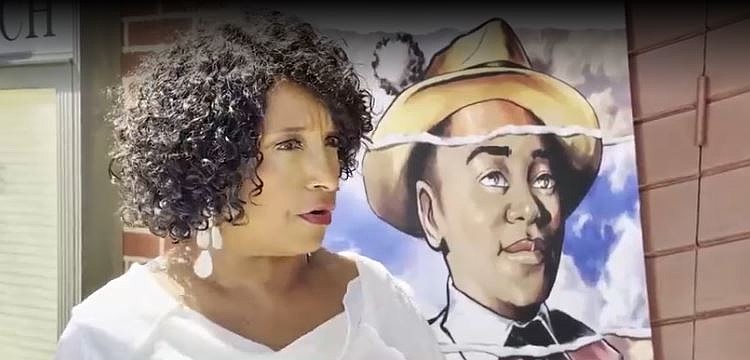
WAPT Deborah Watts
Willingham, James
71 years after 14-year-old Emmett Till was murdered in Mississippi, his name continues to carry both pain and purpose.
Family members, faith leaders and community members gathered Sunday for a church service at Farish Street Baptist Church to commemorate Till’s life and legacy.
“Emmett was a boy. He was 14 years old,” said Deborah Watts, Till’s cousin and executive director and co-founder of the Emmett Till Legacy Foundation.
Till was visiting relatives in Mississippi on August 28, 1955, when he was accused of offending a white woman. Days later, he was kidnapped, beaten and lynched.
His murder shocked the nation and became a catalyst for the Civil Rights Movement.
The three-day commemoration included a march, bus tours and Sunday’s church service, where faith was central to the message of remembrance.
“It is an opportunity to remember Emmett Till, remember his mother and her courage, remember the hate and the violence and the racism that brought forth his death,” Watts said.
She added faith was what gave Till’s mother, Mamie Till-Mobley, the strength to speak out. After her son’s murder, Till-Mobley insisted on an open casket so the world could see what was done to her son.
“Faith is what grounded our family,” Watts said. “Faith is something that brought meaning to Mamie and gave her the ability to stand to speak truth to power.”
For Till’s family, remembering him means more than looking back. Watts said it means humanizing the 14-year-old boy behind the historic name and continuing the work to stop similar tragedies from happening.
“What needs to be done is the authorization of the Emmett Louis Till Victims Recovery Program," Watts said. "It provides health, wellness and memorial services for impacted families for the historical trauma they have experienced and from generational trauma as well.”
Inside the church, the commemoration served as both a remembrance of Till and a call to continue the work his family says isn't done.