Honoring Dr. King Means Governing for Economic Justice
MLK Day Challenges Us to Govern for Economic Dignity
Rodney Ellis | 1/14/2026, 10:15 a.m.
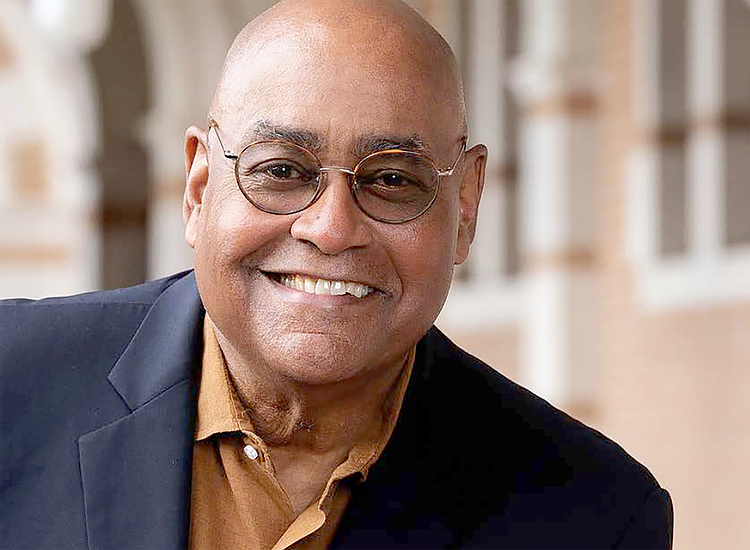
Harris County Commissioner Rodney Ellis
Dr. Martin Luther King, Jr. warned that civil rights without economic justice would never add up to real freedom—and his warning has never been more urgent. In 2026, his words read less like history and more like a headline. Families are working harder, paying more, and still falling behind—and the gap between what people earn and what life costs keeps widening.
MLK Day should not be a symbolic tribute. It should be a governing test of whether we are willing to confront an affordability crisis that is denying families dignity in their everyday lives.
In April 1967 at Riverside Church in New York City, Dr. King offered a truth that still pierces through the noise:
“True compassion is more than flinging a coin to a beggar. … It comes to see that an edifice which produces beggars needs restructuring.”
That is the assignment. Not sympathy. Not symbolism. Structural change—so working people can build stable, dignified lives.
Yet the reality in Houston and Harris County remains brutally clear. More than one in five Houstonians live at or below the poverty line—the highest rate among America’s biggest cities. In neighborhoods like Settegast, life expectancy is twenty years lower than in wealthier parts of the county. In the Fifth Ward, families have lived for decades with the fear that pollution and neglect are stealing their children’s futures.
Basic monthly bills are becoming a breaking point as rising housing, transportation, and utility costs compound on top of one another. Research shows that households in older, under-resourced neighborhoods such as Denver Harbor, Pleasantville, Magnolia Park, and Kashmere Gardens are spending around seven percent of their income on electricity. Our system is failing, forcing people to choose between keeping the lights on and buying groceries or medicine.
These are the conditions Dr. King warned us about: parents skipping meals so their kids can eat. Seniors cutting pills in half. Workers juggling two or three jobs and still falling behind on rent.
So what does it mean to honor Dr. King?
It means governing for economic justice.
In Harris County, we have taken some important steps. We adopted a living wage, raising wages for the custodians who clean our buildings and the construction workers who build them, because one job should be enough to live on. We strengthened worker protections and safety standards on public projects because no dollar amount or project deadline is worth a human life. We invested in affordable rental homes and expanded eviction prevention and legal assistance because housing is a human right. We stepped up during the federal shutdown, partnering with community groups to distribute food and connect neighbors to support. We fought to pilot guaranteed income, recognizing —as Dr. King did—that families need stability, not just survival, even as state leaders moved to block us from acting.
Yet much of our work is still ahead of us. We must continue to invest in programs that create more good-paying jobs, affordable housing, access to healthcare and childcare, and direct relief that meets people where they are. We must protect all neighborhoods from heat, flooding, and natural disasters, not just more affluent communities. In the face of state revenue caps imposed on us by the Legislature, and deep cuts to federal programs by Congress and the White House, these investments are that much more essential. Our community cannot afford another generation of policy failures.
Dr. King called for us to fundamentally transform our systems so we can abolish poverty. Honoring his legacy means choosing action over rhetoric—even when resources are constrained and higher levels of government stand in our way.
The true measure of our commitment to Dr. King’s dream will be whether our budgets, services, and policies rise to meet the dignity people deserve.