Switching Seats: What I Discovered When I Left the Delegate Floor for the Press Gallery
Angel Carroll | 7/3/2026, 2:52 p.m.
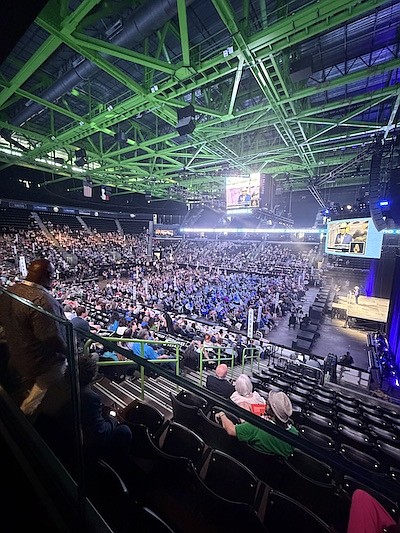
Texas Democratic Convention 2026, Corpus Christi
In 2024, I got up to speed quickly on the granular mechanics of party and caucus business as a delegate at the Texas Democratic Party convention in El Paso, later advancing to Chicago as an elected DNC Harris/Walz delegate. This year in Corpus Christi, I remained deeply embedded in the internal machinery, serving as a delegate, winning my caucus re-election campaign, emceeing the Stonewall Democrats Caucus fundraiser, and chairing a party platform subcommittee on Public Safety and Criminal Justice Reform.
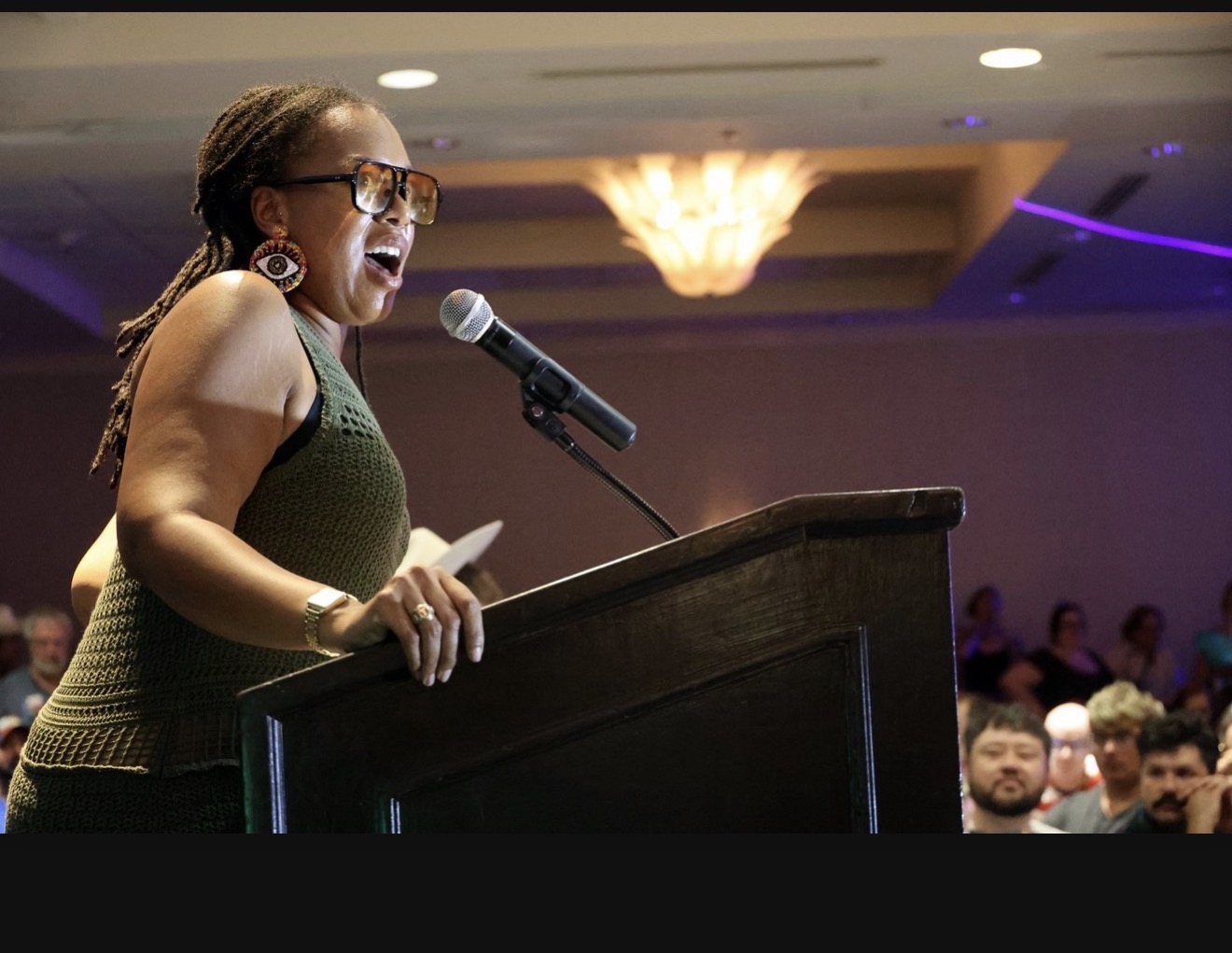
It’s fair to say I have a solid understanding of what goes on behind the scenes in party politics. Yet, stepping into the convention hall with independent media credentials gave me an entirely new stone to turn. What I found on the other side of the press table surprised me, revealing a troubling disconnect between the party's public rhetoric and its operational reality.
The Gatekeeping of Black Media
The most glaring revelation was the steep uphill battle Black independent media outlets still face to secure basic press access. This gatekeeping persists despite overwhelming empirical data showing the vital importance of Black journalism:
- Black audiences consume more media and television than any other demographic group.
- African Americans overwhelmingly prefer Black-owned media outlets, largely because mainstream journalism consistently misses the mark on covering issues critical to Black communities.
- According to the CUNY Black Media Report, Black media outlets cover critical health issues relevant to their communities at significantly higher rates than mainstream outlets, and they cover voting access stories at more than double the rate of the mainstream press (12% vs 5%).
Despite representing Style Magazine Houston, the second-largest audited-circulation African American weekly newspaper in Texas, obtaining approval and physical access proved daunting, even with flawless documentation.
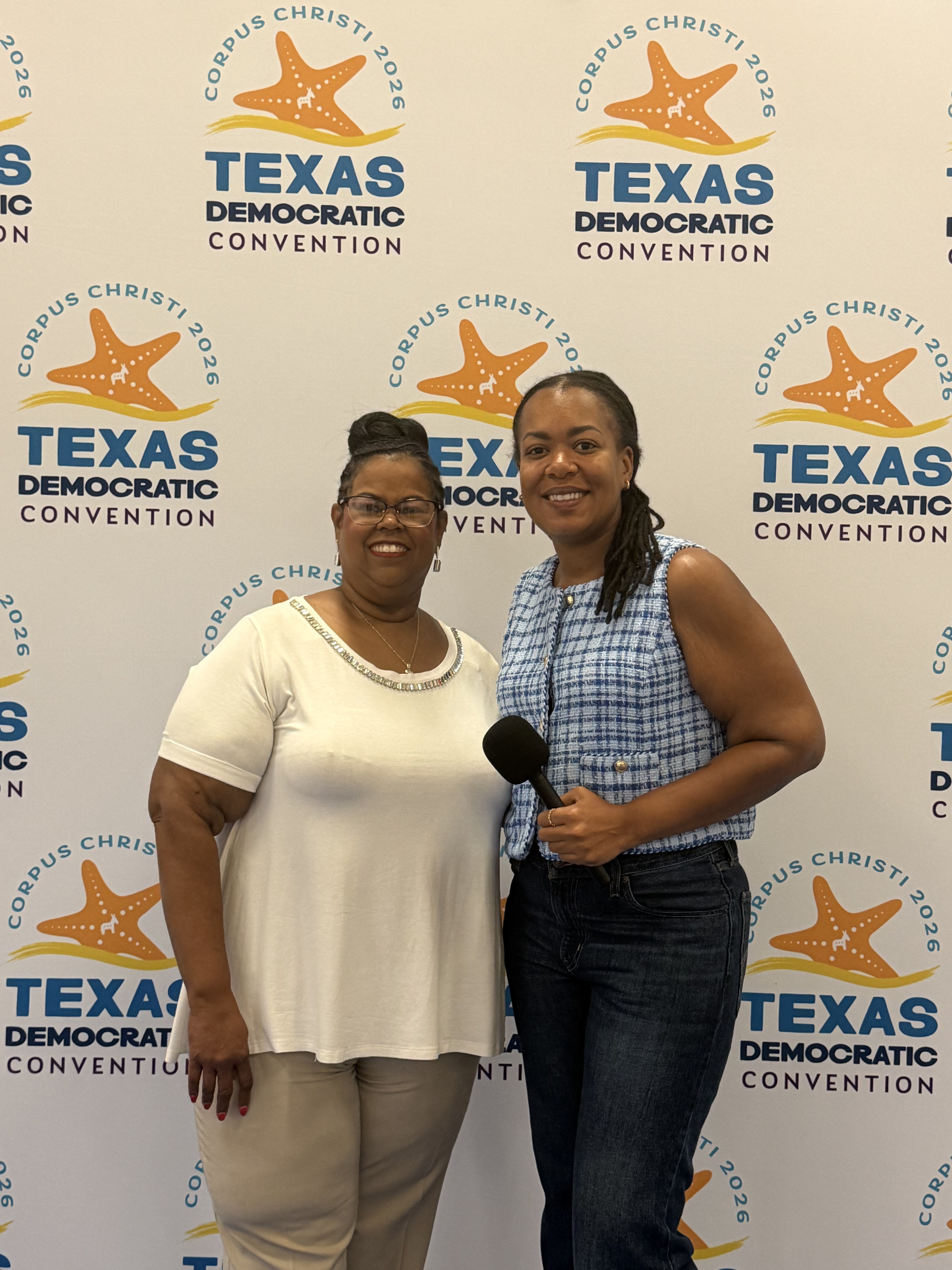 Candidate (TX-25) Dione Sims and Angel Carroll
Interestingly, major legacy network affiliates from nearby major hubs like Houston, traditional fixtures at these events, were noticeably absent. Instead, the floor was populated by an abundance of independent digital content creators carrying diverse Texas demographics and varying audience sizes. But for many Black journalists and creators, this operational friction echoed a painful national pattern. Historically, Black professionals face systemic pushback, retaliation, or outright erasure when they challenge biased narratives or confront racism in political spaces. Seeing this play out in our own backyard was an alarming wake-up call.
Diversity in Speakers, Not in Access
As the convention neared and the initial speaker lineups dropped, a glaring omission sparked immediate internal blowback: the visible absence of national and local Black women on the main stages.
This exclusion felt like salt in an unhealed wound. Black women are the backbone of the Democratic coalition, yet the party is still navigating a complex landscape regarding genuine engagement and respect within the Black community. To leave that representation off the initial roster felt like an erasure of the very voters the party relies upon.
The backlash wasn't quiet, nor was it contained to Texas. Party officers and grassroots delegates actively intervened, pushing organizers with concrete recommendations to fix the oversight. The controversy quickly caught the attention of national civil rights leaders, drawing sharp public scrutiny from legal powerhouses like Sherrilyn Hill.
While the party did eventually adjust course by bringing powerful local leaders like former Houston City Councilmember Dr. Letitia Plummer, who is running for Harris County Judge, and State Representative Jolanda Jones (HD 147) to the microphone, the fact that it required an intervention proved that inclusive representation is still an afterthought, not a default strategy. This friction felt especially jarring given the rhetoric echoing from the main stage; during the general sessions, Rep. Jones pointedly reminded the crowd that while Democrats have a real chance to take Texas back, they cannot do it without Black women and voters—and right now, those very communities are hurting.
Imagine the impact if organizers had deliberately carved out dedicated, exclusive interview blocks for Black media outlets and independent creators to sit down with Booker and Pearson. Intentionally facilitating those conversations would have amplified crucial voices while demonstrating a tangible, active respect for Black media, proving that the party is ready to listen, not just hand out stage times.dia, proving that the party is ready to listen, not just hand out stage time.
The Down-Ballot Disconnect
If the ultimate goal is to genuinely flip Texas, the party must realize that down-ballot candidates deserve just as much investment and media visibility as the top of the ticket. Politics is fundamentally local.
While statewide nominees from the Governor down to the Railroad Commissioner were heavily featured across caucuses, high-dollar ticketed events, and general sessions, gaining press access to down-ballot candidates proved oddly difficult. While I am grateful that organizers provided a dedicated physical interview space for the press, the actual logistics of contacting, coordinating, and scheduling interviews with local candidates were unnecessarily chaotic compared to past cycles.
It is not merely a matter of making it seamless for independent media to tell our candidates' stories. If the party truly believes that courting independent voters is vital to victory, then fully integrating independent media isn't an optional courtesy; it’s a non-negotiable
My Takeaway
Moving forward, the Texas Democratic Party cannot afford to treat diversity as a stage-dressing exercise while maintaining systemic roadblocks in the press room.
If Texas Democrats genuinely want to flip the state, leadership must transition from passive stage-dressing to active structural support—starting by permanently dismantling roadblocks for the local media and down-ballot candidates who actually reach the voters.
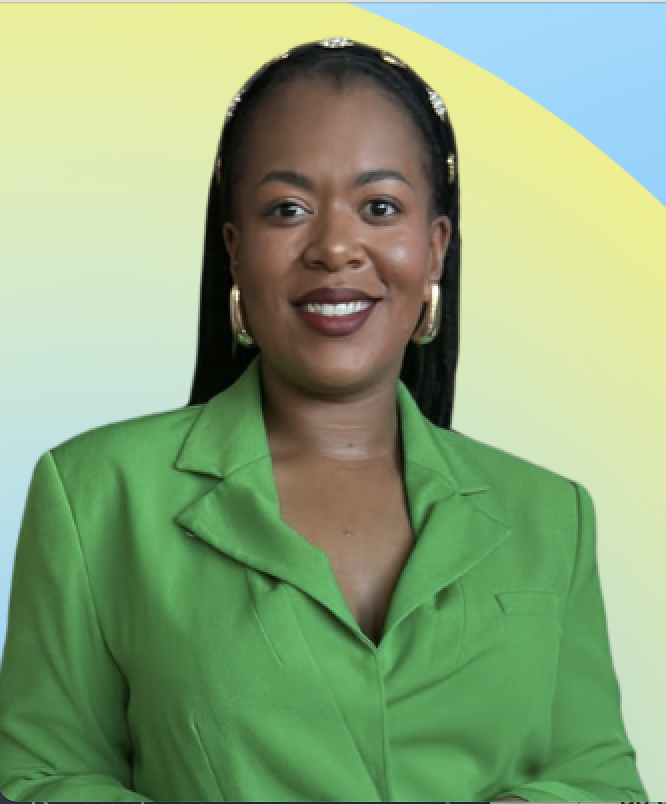 Angel Carroll
About Angel Carroll
Angel Carroll is a Democratic strategist working at the intersection of politics, policy, and community-based advocacy. She serves as the Democratic Political Strategist for ABC 13 Houston on This Week in Texas, where she provides analysis on the political landscape shaping the state and the nation. In 2025, Angel was named the Texas Democratic Party Activist of the Year, a recognition of her leadership, grassroots mobilization, and commitment to advancing civic engagement statewide. She also serves on multiple boards across Texas, including Black Austin Democrats, Texas Stonewall Democrats, and Ground Game Texas..