One Election After Another: Why We Must Keep Showing Up Shamier Bouie
Shamier Bouie | 5/17/2026, 11:33 p.m.
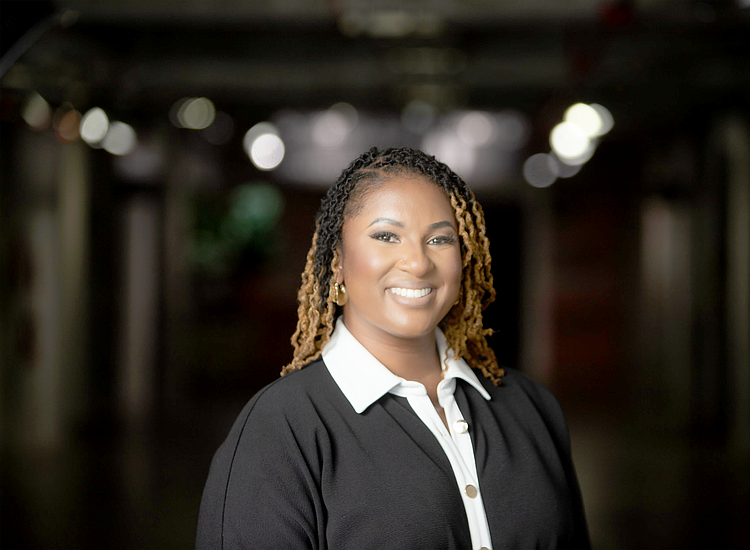
Shamier Bouie 2026 Chair HBAD
There is a growing exhaustion in our communities when it comes to elections.
Another campaign. Another phone call. Another text message. Another trip to the polls.
For many people, especially Black voters, it can feel like we are constantly being asked to save democracy while simultaneously fighting systems designed to make our voices quieter.
That exhaustion is real. But so is the danger of disengagement.
At a time when voting rights are being challenged, representation is under attack, and protections won through decades of struggle are being weakened, this is not the moment to disappear from the process. It is the moment to lean in harder.
Recent decisions surrounding the Voting Rights Act of 1965 and ongoing legal battles over redistricting and voter protections should concern every American, but particularly Black communities. These rulings are not just legal technicalities. They have real consequences. They shape whether Black communities can elect candidates who understand our experiences, advocate for our neighborhoods, and fight for equitable policies.
 Houston Black American Democrats LOGO
Representation matters because policy matters.
When districts are redrawn in ways that dilute Black voting power, when polling places disappear from our neighborhoods, when voting access becomes more difficult, the result is not accidental. The result is fewer voices at the table where decisions are made about education, healthcare, criminal justice, housing, infrastructure, and economic opportunity.
And history reminds us that progress has never simply moved forward uninterrupted.
Black Americans have been legally free for less than 200 years. The right to vote, in practice, has existed for barely 60 years. Even after emancipation, generations endured Jim Crow laws, literacy tests, poll taxes, intimidation, violence, and systemic exclusion designed specifically to suppress Black political power.
The truth is that many Americans benefited from centuries of advantages, access, and opportunities that Black communities were intentionally denied. Wealth gaps, disparities in education, housing discrimination, and political underrepresentation did not happen overnight, and they will not be corrected overnight either.
That is why patience and persistence are both necessary.
Too often, people become discouraged because progress feels slow. Others grow comfortable and assume the major battles have already been won. But rights can be weakened when people stop paying attention. History shows us that gains are never guaranteed to remain permanent.
Still, despite every obstacle, Black communities have made undeniable progress since the Civil Rights Movement.
Schools were desegregated. Black voter registration increased dramatically. Black Americans now serve as mayors, judges, members of Congress, corporate executives, university presidents, military leaders, and even president of the United States. Protections against discrimination expanded through federal legislation. Opportunities that once seemed impossible became reality because generations before us refused to give up.
None of that happened because people stayed home.
It happened because ordinary people organized, marched, registered voters, challenged unfair laws, attended meetings, built institutions, and voted consistently — even when the odds were against them.
Progress is often incremental before it becomes transformational.
Every election may not feel historic. Every candidate may not inspire excitement. Every outcome may not immediately change daily life. But civic engagement is not just about one election cycle. It is about building long-term political power and protecting the ability for future generations to have a voice.
If frustration has caused disengagement, now is the time to reengage. If comfort has led to complacency, now is the time to refocus.
Because the rollback of rights does not stop on its own.
We cannot afford to treat voting as optional while others treat power as essential.
So yes, show up for the upcoming primary runoff election. But also show up after that. Show up in local elections, school board races, judicial contests, state elections, and national elections. Show up when policies are being debated and when communities need advocates willing to stay engaged beyond Election Day.
Democracy is not sustained by occasional participation. It survives because people continue showing up, generation after generation, even when the path forward feels slow.
Houston Style Magazine readers, and right now, showing up matters more than ever.