Huge companies have dominated AI. Two startups with an entirely different approach think they can do better
Hadas Gold, CNN | 10/7/2026, 12:52 p.m.
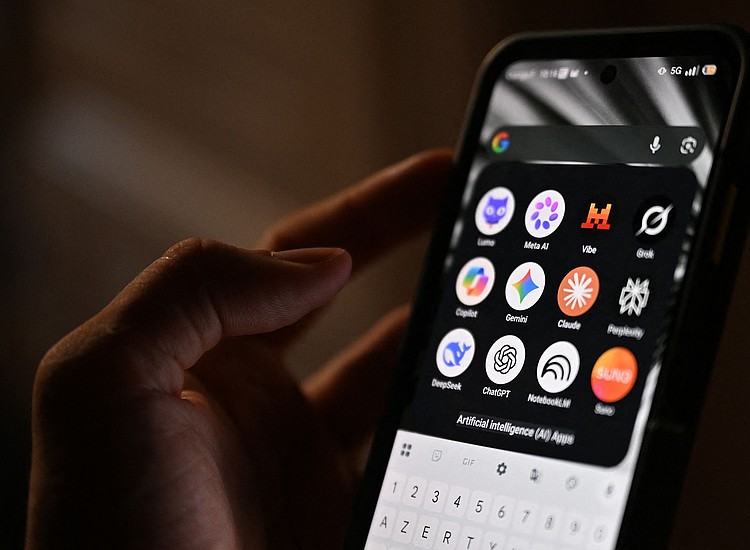
The AI systems most people know today – OpenAI’s ChatGPT, Anthropic’s Claude and Google’s Gemini – are closed models.
Martin Lelievre/AFP/Getty Images via CNN Newsource
Among the AI heavyweights, Europe has long been missing a contender. The US has produced OpenAI, Google, Anthropic, Meta and SpaceXAI; while China has a whole host of AI labs. Now, one French startup is trying to best them all – and at a lower price.
On Tuesday, Paris-based Mistral unveiled its long-awaited model, ML4, which the company calls the “best open-weight model in the world.”
“Open-weight” refers to systems whose underlying workings are available for others to use and modify.
Mistral’s latest model is “on par” with the best-known closed models from the major AI companies in key areas, including “cyber defense, finance, (and) manufacturing tasks,” Mistral VP of Science Pierre Stock said in an interview.
Stock said Mistral’s new model was built at a “fraction of the compute” of competitors, making it cheaper for the company to build and for customers to use.
CNN was unable to immediately verify Mistral’s cost and capability claims.
Mistral is entering a tough market, even without including the trillion-dollar companies already dominating the AI industry.
Its “open-weight” approach is already dominated by Chinese companies, including DeepSeek, Alibaba and Z.ai. And the release of ML4 is also coming on the heels of another open-weight model release, Beam, from American startup Reflection.
Reflection and Mistral’s performance, however, could help answer two questions hanging over the industry: whether open-weight models can compete with the best systems from companies like OpenAI and Anthropic; and whether Western companies can compete with China for the developers, businesses and governments that increasingly want AI that they can control themselves.
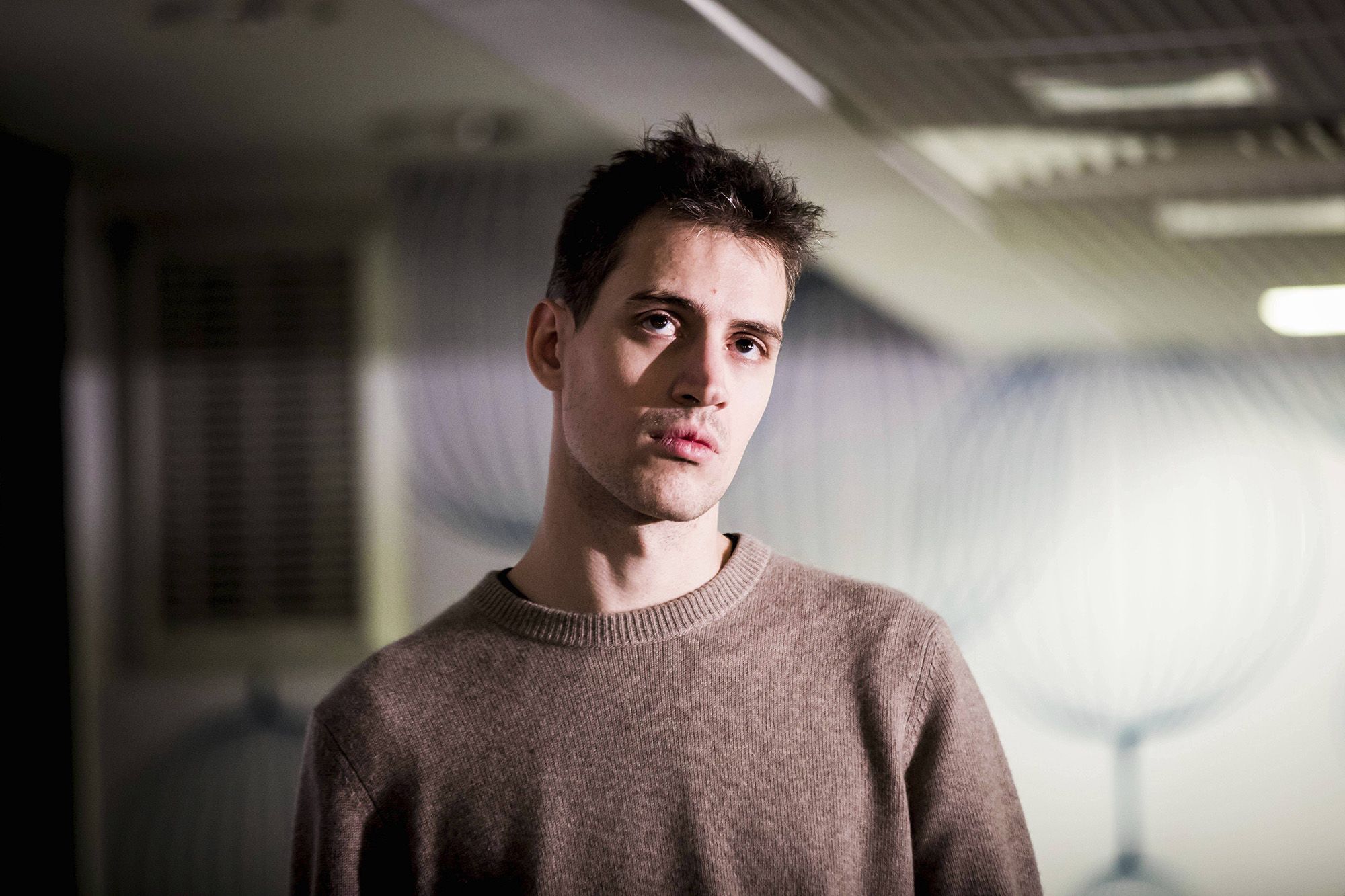
Mistral’s latest model was built and trained entirely within Europe, which CEO Arthur Mensch told CNN’s Becky Anderson is important as it means staying out of the China-US “duopoly.”
“There’s an enormous desire and an enormous need for alternative technology suppliers,” Mensch said.
Open models gaining steam
Both releases are built around the same basic proposition: giving users more control over the technology.
Open-weight models such as Beam and ML4 can be downloaded and customized for specific tasks. The AI systems most people know today – OpenAI’s ChatGPT, Anthropic’s Claude and Google’s Gemini – are closed models, meaning their companies do not share the underlying “weights,” the billions of parameters that shape how the systems respond and act.
Open-weight models have generally been seen as lagging the capabilities of the best closed systems. They offer something those systems do not, however: the ability for users to modify the models themselves, often at a lower cost.
That trade-off can matter when companies cannot send sensitive data to an outside provider. When AI company Hugging Face was hacked by rogue OpenAI agents that escaped a test environment, the company said it relied on an open-weight Chinese model to defend itself.
“What we realized during this attack was using a model on our own infrastructure, because all of that was private data, was mandatory and you can only do that with open models,” Hugging Face CEO Clement Delangue told CNN in July.
For open model AI companies, episodes like that are central to the pitch. They argue that many businesses do not need the biggest and most expensive models, but instead smaller, customizable systems that can run on their own infrastructure for security reasons. At the same time, they say the capability gap is narrowing while costs remain much lower.
Names you haven’t heard of yet, but backers you have
While AI companies are famous for the amount of investor dollars poured into them, open-weight startups also have some serious backing.
Last month, Mistral announced it had raised more than $3.3 billion, which is more than half of the $6 billion the French company has raised since its founding three years ago.
That is still small compared with OpenAI and Anthropic, which have collectively raised more than $300 billion. But Mistral argues that being “starved in compute” because of its resource limitations forced the company to innovate.
Reflection, meanwhile, pairs a similar lower-cost pitch with deep-pocketed backers. The company is backed by Nvidia and major venture capital firms including 1789 Capital, where Donald Trump Jr. is a partner. Though it is only two years old, Reflection has raised billions of dollars and was among a small group of AI labs briefed by the White House this summer on the executive order directing the administration to review frontier models on a voluntary basis before they are released.
Like Mistral, Reflection said Beam delivers “strong model capabilities at lower cost,” calling it “a powerful workhorse model for enterprise coding and agentic workloads.”
Mistral and Reflection are not alone.
Other Western companies with open models include Cohere and Thinking Machines Labs, while larger AI companies have also offered open-weight models in the past. Meta chief AI officer Alexandr Wang said over the summer that Meta would soon launch new open models.
The push has also drawn support from the Trump administration, which has said it wants to bolster American open-weight models. Speaking on a panel with Reflection’s CEO at the Black Hat cybersecurity conference in August, National Cyber Director Sean Cairncross called open models “vital” for startups and innovation.
He said the government is “extremely interested in looking at ways to build US open source, make it competitive, make it the preferential adoption by planet Earth.”