Three Months, No Charges
Ben Jealous | 10/12/2026, 4:02 p.m.

Three Months, No Charges - Op-ed by Ben Jealous
Months after an Immigration and Customs Enforcement officer shot and killed Johan Sebastián Durán Guerrero in Biddeford, Maine, no one has been charged.
He was 25. He was Colombian. He had a 3-year-old daughter. He had a federal work permit.
Homeland Security says its officer feared for public safety. Senator Angus King's office says Durán Guerrero was not the operation's target. The agency acknowledges granting him that permit last year.
A fear, a wrong man, and a work permit. One dead man, no charges. The agents wore no body cameras.
It may surprise people today, but from the first colonies right through this year's ICE operations, this country has treated immigrants from Catholic countries as expendable. Of every color.
In 1891, a mob stormed the parish prison in New Orleans and killed eleven Italians and Italian Americans. Emmanuele Polizzi was dragged outside, hanged from a lamppost and shot as he hung there. Some were citizens. A grand jury refused to indict anyone.
Nobody answered for those eleven men, because nobody with power was made to look.
When the Klan was re-founded in 1915, it joined its war on Black freedom to a campaign against Catholic immigrants and their American-born children. Being White was not enough. Catholics were accused of owing allegiance to a foreign pope. The Klan targeted their churches and the schools their children attended.
Maine became a Klan stronghold, and the people it went after were French Canadian Catholics. Nobody today would hesitate to call them White.
My father was born in Biddeford. My father is White.
On Labor Day in 1924, about three hundred Klansmen marched through neighboring Saco. Biddeford's mayor, Edward Drapeau, the son of Canadian immigrants, warned them to remain in Saco "at all times thereafter." He ordered police to guard the bridges.
The Klan did not cross.
Biddeford's mayor today keeps that newspaper page in his office. He pulled it out again in July.
The Catholics the Klan hunted did something else. The Knights of Columbus named themselves for a Catholic explorer America had made a hero. Then they commissioned W.E.B. Du Bois to write a history of Black Americans' contributions, to answer what their historical commission called "the wave of racial and religious ostracism" sweeping the country. The Gift of Black Folk appeared in 1924.
The Klan was coming for them. They spent their money making somebody else's case.
In 2009, during my tenure leading the NAACP, the Knights put that book back into print for the association's hundredth anniversary.
Len Riggio chose the same way. Len was a friend. I once asked the man who built Barnes & Noble into a national chain why he cared about racial justice.
"Because I'm old enough to remember when my people were lynched too."
Len was Italian American, born in Little Italy. He supported the NAACP in New York. He and his wife, Louise, funded a chapel at the Children's Defense Fund's Tennessee farm. It carries his name and Bill Lynch's, the Black organizer who became New York's deputy mayor and served on that board beside him. Both men are gone. Their names remain together.
My father's grandfather chose another way. A Protestant of northern English stock, himself the grandson of immigrants, he disinherited my father for marrying my mother, who is Black. My father's mother and brothers refused to go along.
A family can produce a bigot and still refuse to follow him.
In 2011, Paul LePage, raised in a French Canadian Catholic family in Lewiston, told the NAACP to "kiss my butt." I was the association's president. I reminded him that he owed his own chance to people who stood up to the Klan in his state.
This September he said a member of his own family faced deportation despite holding a work permit. "That's not right," he said.
I am glad he said it. But ICE arrested 488 people in Maine through July, more than in 2024 and 2025 combined, according to federal data, and one analysis found nearly 89 percent had no criminal conviction.
LePage has learned the wrong lesson if concern stops at his own family. The family down the street deserves the same.
Thirty-nine senators demanded answers from Homeland Security in July. House Democrats held an unofficial hearing in Biddeford in August, because the majority would not call a real one, and even they could not get ICE to confirm whom its agents were looking for.
Susan Collins chairs the Senate Appropriations Committee, which writes Homeland Security's budget. She was not among the thirty-nine who signed. It is time for her to demand that the administration account for how a hardworking father with a work permit was shot dead on a Biddeford street despite not being the target of the operation, and that every report, every radio log, every witness statement go to Maine's attorney general.
No U.S. senator should have to think twice about asking that question.
Congress should also put body cameras and visible identification into law. That is how a country finds out what happened. It is what nobody did in 1891.
Most Americans understand we need to move past our nation's patterns of racism and antisemitism. As we do, let us widen the coalition to root out every pattern of abuse built on White supremacy and religious intolerance.
Ask your children how your family became American. Tell them who opened the door. Tell them who tried to close it.
We came here in different boats. We are in the same boat now. It only stays afloat if we keep one another from sinking.
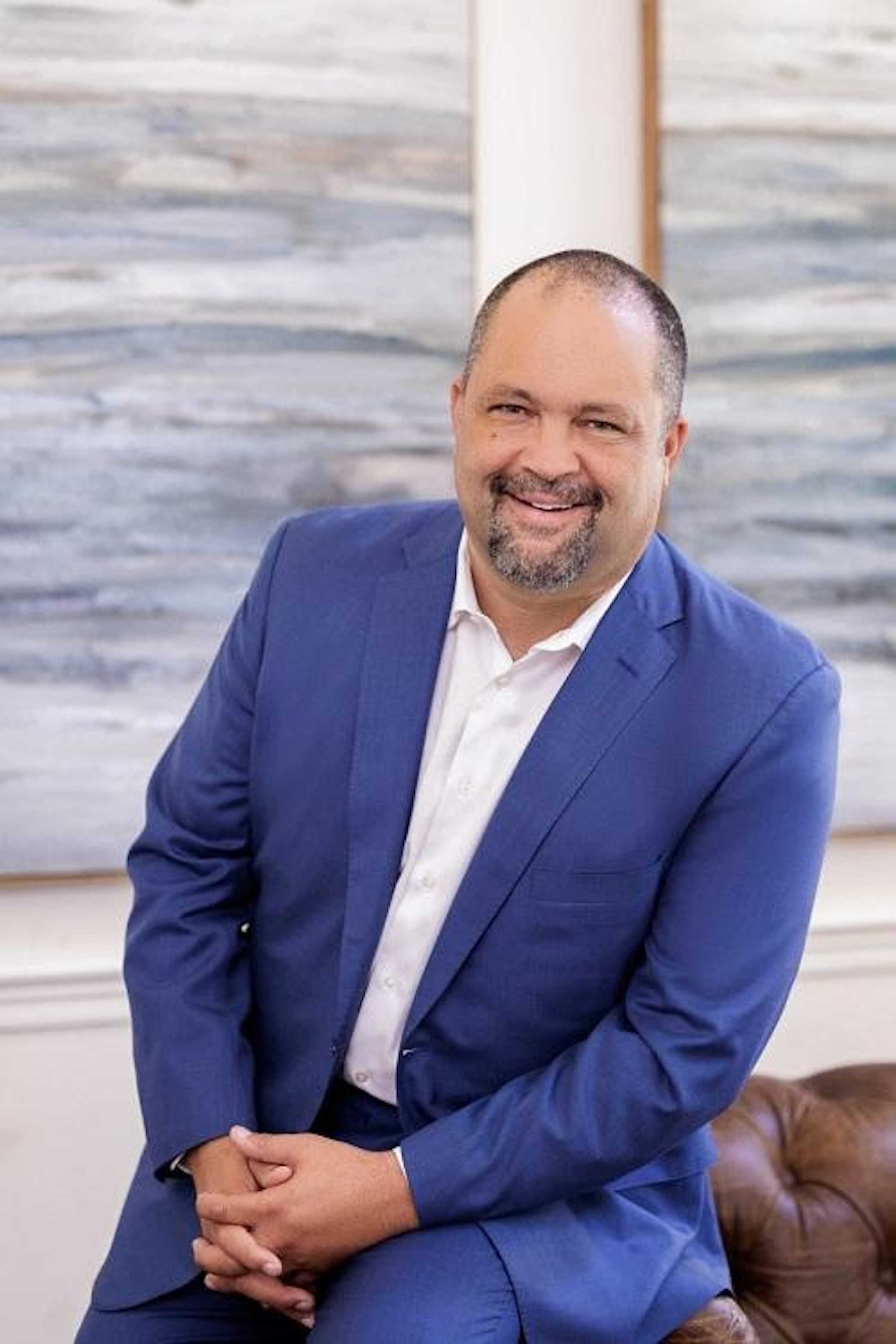 Ben Jealous
Ben Jealous is a professor of practice at the University of Pennsylvania and former national president and CEO of the NAACP.