Labor Day Kicks-Off Sprint to November 3 General Election
With registration closing October 5 and Early Voting opening October 19, Texas voters enter a consequential fall election stretching from Washington and Austin to Harris and Fort Bend counties.
Burt Levine | 9/8/2026, 12:59 p.m.
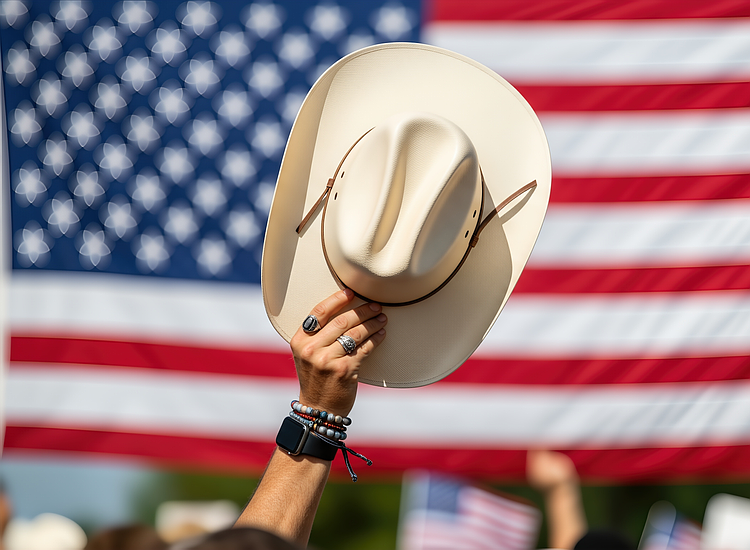
Labor Day Texas 2026
Labor Day has long served two purposes in America: a salute to working people and, in politics, the unofficial starting gun for the fall campaign sprint. The holiday grew from the labor movement of the late 1800s and became federal law in 1894. More than a century later, its timing still carries civic symbolism: summer is ending, campaigns are accelerating and voters are being asked to decide who will hold power.
For Texas in 2026, the finish line is Tuesday, November 3.
That leaves less than two months for Texans to move from political conversation to civic action. The voter-registration deadline is Monday, October 5. In-person Early Voting begins Monday, October 19 and continues through Friday, October 30. Those dates matter because this year’s ballot reaches from Washington to Austin to courthouses across Harris and Fort Bend counties.
The marquee statewide federal contest is Texas’ U.S. Senate race. Democratic state Rep. James Talarico faces Republican Attorney General Ken Paxton, who defeated incumbent Sen. John Cornyn in the Republican primary runoff in May. The history is hard to miss: Lloyd Bentsen, reelected in 1988, was the last Democrat elected to the U.S. Senate from Texas. The 2026 contest has drawn national money, national attention and competitive polling, but Election Day — not a poll release — determines the winner.
The governor’s race carries its own historical weight. Republican Gov. Greg Abbott is seeking a fourth term against Democratic state Rep. Gina Hinojosa, an attorney and former Austin ISD trustee. Texas Democrats have not won a statewide election since 1994. Hinojosa is the daughter of former Texas Democratic Party chair Gilberto Hinojosa, who led the party from 2012 to 2025. Abbott enters the fall with the advantages of incumbency and a large campaign organization, while Hinojosa has centered much of her campaign on affordability, schools and household costs.
In the lieutenant governor contest, Democratic state Rep. Vikki Goodwin faces Republican incumbent Dan Patrick, who is also seeking a fourth term. For attorney general, Democratic state Sen. Nathan Johnson faces Republican state Sen. Mayes Middleton. The office is open because Paxton is running for the U.S. Senate. For comptroller, Democratic state Sen. Sarah Eckhardt, a former Travis County judge, faces Republican Don Huffines, whom Gov. Abbott appointed this summer to fill the remainder of the current term.
Then comes Congress — and a Houston-area map that looks considerably different after the Legislature’s 2025 redistricting.
All 38 Texas U.S. House seats are on the ballot. In District 7, Democratic incumbent Lizzie Fletcher faces Republican Alexander Hale and Green Party candidate Espoir Ngabo. Fletcher first won the seat in 2018, ending Republican John Culberson’s long tenure.
District 9 has been transformed geographically and politically. The newly drawn east Harris County district includes Houston’s East End and stretches through Pasadena, Deer Park and Baytown. Democrat Leticia Gutierrez faces Republican Alex Mealer, who won the GOP runoff over state Rep. Briscoe Cain.
District 18 also changed substantially. Democratic Rep. Christian Menefee, who won the special election to complete the late Sylvester Turner’s term and then defeated longtime Rep. Al Green in the Democratic runoff, faces Republican Ronald Whitfield in November.
In District 22, Democrat Marquette Greene-Scott again seeks the seat, this time against Republican Trever Nehls, twin brother of retiring Rep. Troy Nehls. In District 29, Democratic incumbent Sylvia Garcia faces Republican Martha Fierro. In District 38, Democrat Melissa McDonough faces Republican Jon Bonck for the open seat left after Wesley Hunt sought the Republican U.S. Senate nomination.
Closer to home, Harris and Fort Bend counties remain central to Texas’ changing electorate. Both backed the Democratic presidential ticket in 2024, but by smaller margins than in 2020. That shift ensures countywide races will again test turnout and organization across some of the nation’s most diverse communities.
Campaigns can spend millions. Consultants can slice voters into demographic categories. Pollsters can measure opinion to the decimal point. But democracy eventually becomes wonderfully low-tech: a citizen, a ballot and a choice.
Houston Style Magazine encourages every eligible voter — Democrat, Republican, independent or otherwise — to verify registration, study a sample ballot, know the voting rules and make a plan before October 19 or November 3.
Labor Day may start the sprint. The voters decide how it ends.
REGISTER TO VOTE IN TEXAS
Register or update your Texas voter registration by Monday, October 5, 2026,
to be eligible for the November 3 General Election.
https://www.votetexas.gov/register-to-vote/
CHECK YOUR VOTER REGISTRATION STATUS
Confirm your registration, name and address before the October 5, 2026 registration deadline.
https://www.votetexas.gov/
FIND YOUR POLLING LOCATION
Locate where to vote during Early Voting, October 19–30, 2026,
or on Election Day, Tuesday, November 3, 2026.
https://www.votetexas.gov/voting/where
HARRIS COUNTY — VOTER SEARCH & SAMPLE BALLOT
Harris County voters can review voter information and prepare for Early Voting beginning October 19 and Election Day November 3, 2026.
https://app.harrisvotes.com/PollLocations/VoterSearch?lang=en-US
APPLY TO VOTE BY MAIL — IF ELIGIBLE
Texas voters must have their Apps for Ballot by Mail received by Friday, October 23, 2026.
https://www.votetexas.gov/voting-by-mail/application-for-ballot-by-mail.html