Gov. Greg Abbott Targets Houston’s IAH Over Ablution Room and Prayer Facility
Abbott seeks federal review of religious accommodations at George Bush Intercontinental Airport as Houston officials say the facilities are open to all and were built without taxpayer, state or federa
Lisa Valadez | 8/17/2026, 5:24 p.m.
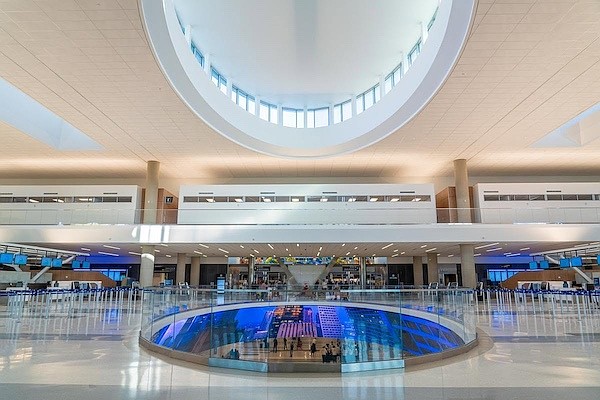
George Bush Intercontinental Airport
Official Facebook Page
Texas Gov. Greg Abbott is seeking a federal investigation into George Bush Intercontinental Airport over an ablution facility and adjoining prayer room designed to accommodate travelers who practice religions requiring ritual washing before prayer.
In an Aug. 14 letter, Abbott raised concerns about the facilities at IAH, arguing that government-owned airports must comply with state and federal laws prohibiting religious discrimination. He questioned whether providing a dedicated washing facility and prayer space constitutes preferential treatment for a particular religion.
Abbott referred IAH to the U.S. Department of Transportation for review and said his office is reviewing state grants involving local governmental entities for potential violations. The review could affect future or existing state funding if violations are determined.
The city of Houston disputes the characterization of the IAH facilities as preferential religious accommodations.
According to a statement from Mayor John Whitmire's office, the ablution room was developed and approved during the administration of former Mayor Sylvester Turner and began operating during Whitmire's administration as part of an international expansion program at IAH.
The city said the expansion program was funded through fees charged to international airlines. City taxpayer funds, federal grants and state grants were not used to construct the ablution facility, according to the mayor's statement.
The ablution room and adjoining prayer room are open to travelers, employees and other stakeholders with access to Terminal D regardless of faith, according to the city. The mayor's office said no one receives preferential access and no one is excluded from using the spaces.
The facility provides a designated location for ritual washing before prayer. City officials said the need for such a facility arose because travelers had previously used restroom sinks and other public water facilities for personal washing.
The ablution room connects to a prayer room. The city also pointed to interfaith chapels at IAH, saying those facilities are non-denominational and available to travelers of all faiths and beliefs.
The mayor's office said airports have offered interfaith chapels for decades to accommodate the spiritual needs of travelers and that IAH's facilities have historically been non-denominational and open to all.
The city also said the dedicated washing facility was developed in response to passenger requests, particularly from travelers departing for the Middle East.
IAH serves as a major international gateway for Houston, connecting the city to five continents through more than 200 nonstop routes. In 2025, Emirates Airlines, Qatar Airways and Turkish Airlines carried approximately 366,000 departing passengers from IAH, representing 22% of all international travelers departing from Terminal D, according to the mayor's statement.
Abbott's letter does not order the immediate closure or removal of the facilities. Instead, it calls for federal scrutiny of the airport's practices and raises the possibility of consequences involving state funding.
The dispute centers on whether a dedicated facility for ritual washing constitutes religious preference or represents a neutral accommodation available to travelers who need it. The city maintains that the facility is open to everyone and serves a practical need created by IAH's role as an international airport.