The World Cup is in desperate need of a vibe shift. The matches have arrived just in time
Kyle Feldscher, CNN | 6/11/2026, 6:27 p.m.
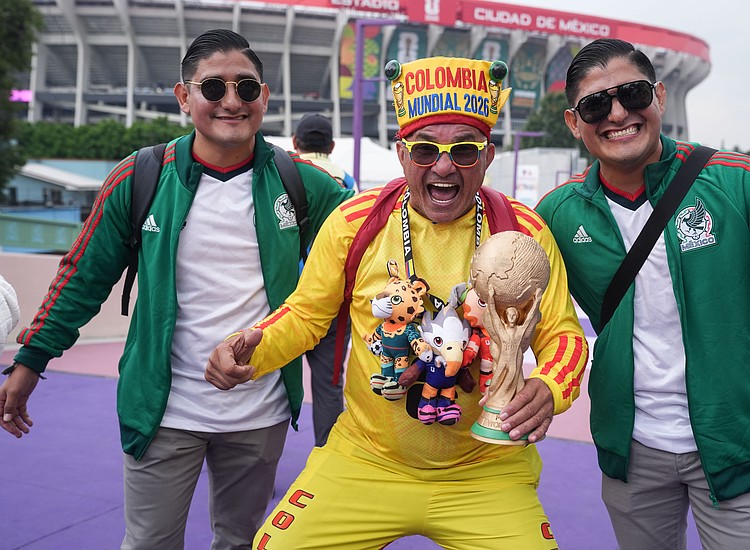
World Cup prep
The world wasn’t so different on June 13, 2018, when the US, Mexico and Canada were awarded the right to jointly host the 2026 World Cup.
Donald Trump was president. A ban on travel to the US from mostly Muslim countries was in effect. Allied nations were reeling at the US government’s whiplash foreign policy. But there was hope that the world coming to America could bring the kind of unity and joy typical of massive sporting contests like the World Cup.
Fast forward almost eight years to the day, and it’s finally here. The first of 104 matches in this biggest-ever World Cup kicks off at 3 p.m. ET in Mexico City when South Africa meets up with Mexico in the historic Estadio Azteca.
It’s safe to say that the tournament has not exactly brought the kind of goodwill Americans would have hoped for on that day in June 2018, just after Trump finished meeting North Korean leader Kim Jong Un in Singapore. In fact, the Trump administration’s policies have hung over this World Cup ever since he retook the White House in January 2025 and began implementing the stringent immigration policies that he promised on the campaign trail.
Many of the headlines around the run-up to this massive sporting festival have focused on the worst bits of the World Cup– out-of-control ticket prices, allegations of price gouging on public transportation, the refusal to admit a Somali refereeinto the US, the tension over Iran’s participation amid the US-Iran war and visa troubles for fans, players and staff in the days before games start.
And then there’s the online bickering as Americans and Europeans on social media can’t seem to stop going after each other about everything from the weather to the quality of each other’s stadiums.
It’s all produced some of the worst possible vibes around the world’s biggest sporting event. But when the whistle blows in the Mexican capital this afternoon, the magic of the World Cup can finally begin.
The biggest, the largest
It’s a properly North America-sized tournament that spans thousands of miles, four time zones and scores of different climates and sporting cultures.
Last year, FIFA and the Trump administration estimated more than 8 million people would be traveling internationally for the World Cup and – while Trump’s immigration policies have made travel to the US less enticing for many – those folks are starting to arrive in North America now.
It’s put the brilliance of the tournament on display as fans from around the world go viral for discovering the joys of ranch dressing, stumbling across Buc-ee’s or tubing down the Chattahoochee River as they travel the Southeast. In Mexico, South Koreans are partying with the locals and mariachi bands are greeting teams at their hotels.
Many more will have their own World Cup travel memories this summer, the kind of glue that holds this event together in between the matches.
But the action on the field will be something.
It’s likely the last World Cup for Lionel Messi and Cristiano Ronaldo, the two giants of the game that have dominated world soccer for much of the last two decades. New stars are set to take up that mantle in Lamine Yamal (provided he’s healthy), Michael Olisé, Erling Haaland, Florian Wirtz and Luis Díaz. Kylian Mbappé, Vinícius Júnior, Harry Kane, Ousmane Dembélé, Jude Bellingham and others are trying to put their stamp on the tournament that takes place in the prime of their careers.
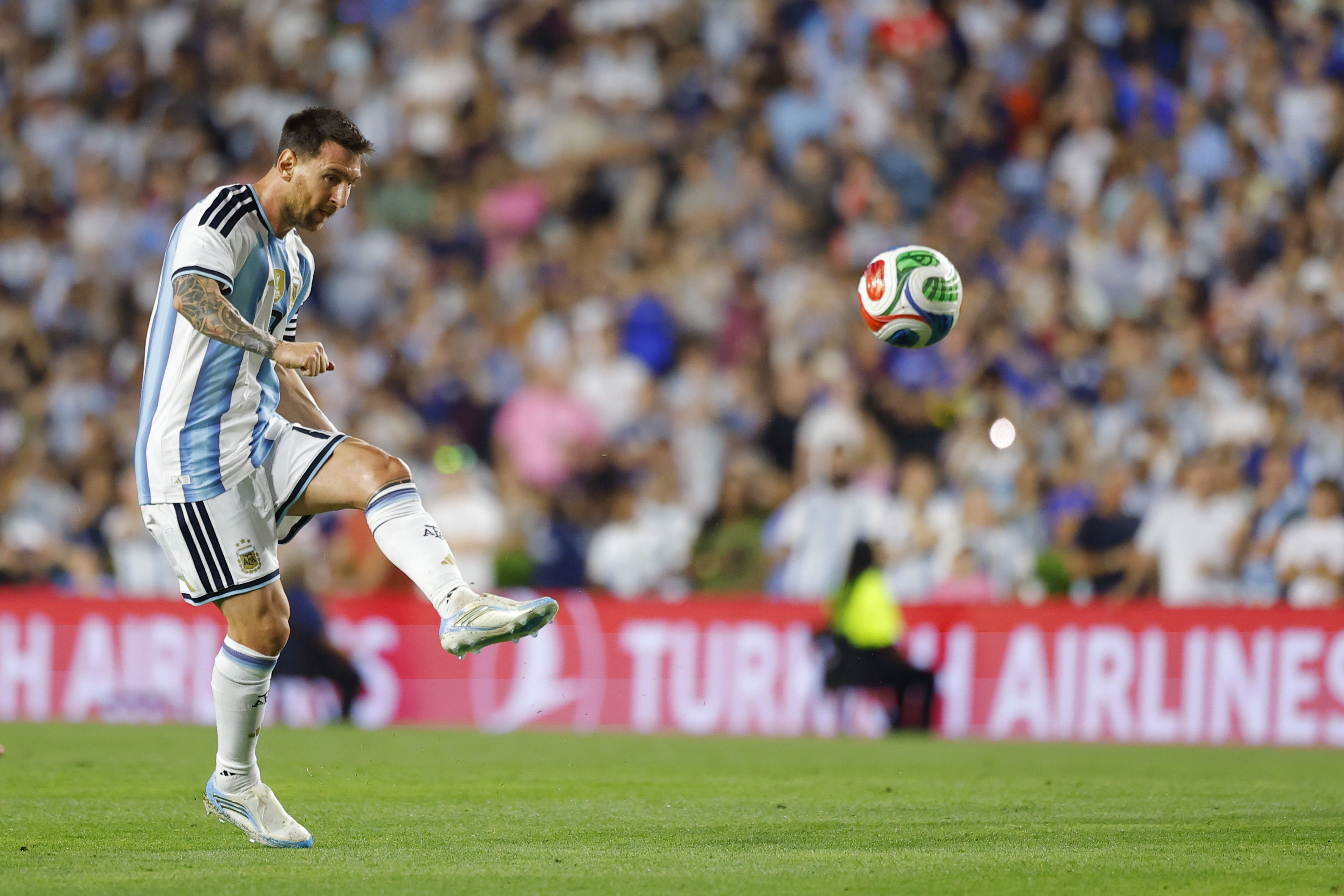
The talent on display will be breathtaking and the matches should be thrilling, though a bloated group stage featuring 72 matches could dilute some of the excitement early in the tournament. Even with all those extra teams – there’s 48 in this year’s tournament, up 16 from recent editions – there will still be the surprises and upsets that make every World Cup special.
Though all eyes will be on North America, the national pride this event inspires – and the staggered start times that will allow fans watching back in their home countries to take in their teams during sort-of-normal hours – will stir incredible excitement and patriotism all around the world.
Spain and France are considered the favorites but neither squad is so dominating that it feels like a certainty that they will be playing in the final in New Jersey’s MetLife Stadium in mid-July. It all sets up one of the potentially most exciting World Cups in history – if the off-the-field controversies don’t ruin the thing first.
The US’ immigration policies under the microscope
FIFA President Gianni Infantino said it wouldn’t happen. Trump and his administration said it wouldn’t happen. Everyone with a role in pulling off the World Cup assured the globe: The United States would welcome fans from all over to the quadrennial classic.
But the most obvious potential stumbling block has, in fact, come to pass and is grabbing headlines around the world: The United States’ immigration system is making things more difficult for travelers from around the globe to enjoy the tournament and, in some cases, turning away key participants before it even begins.
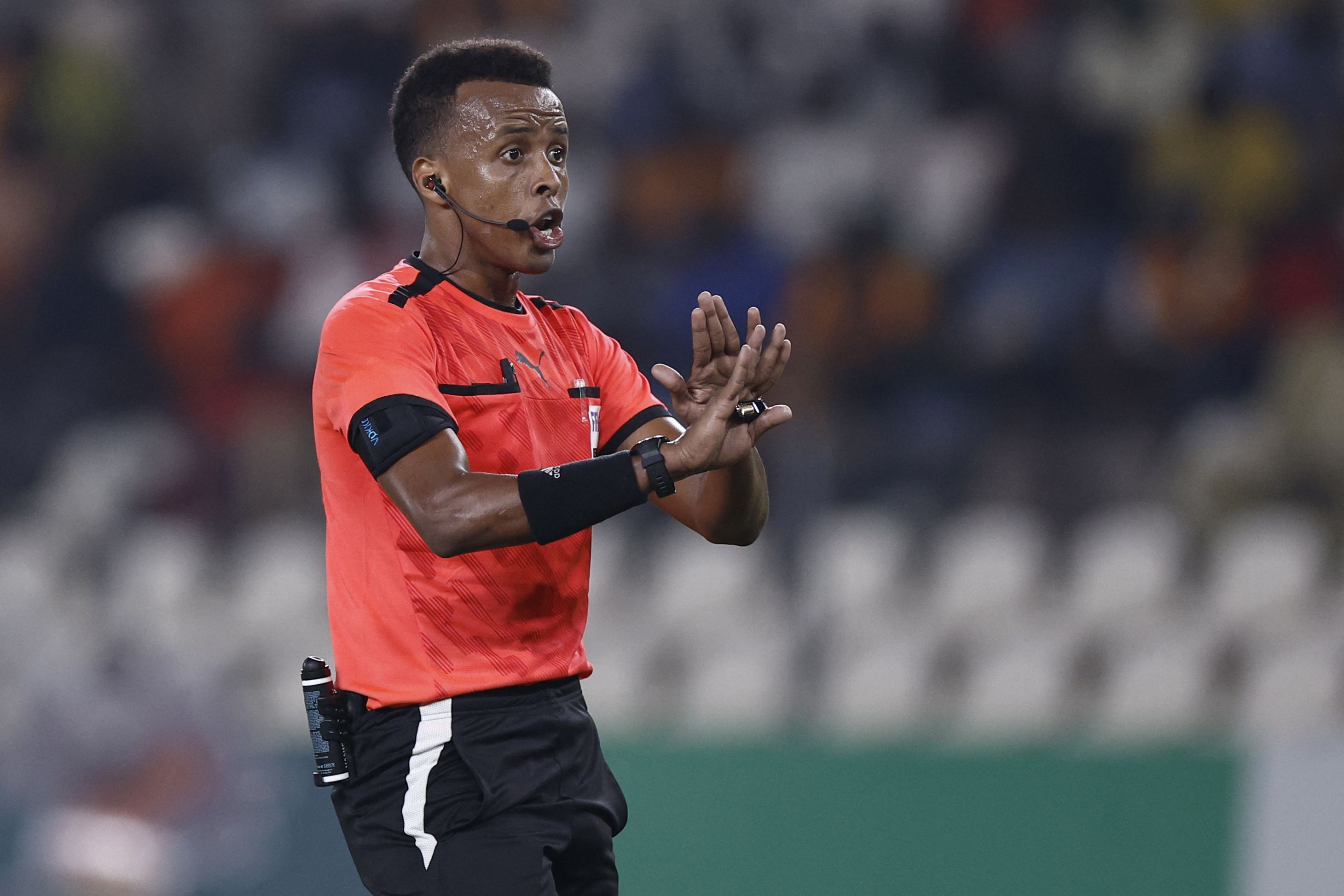
The decision to deny Omar Abdulkadir Artan, a Somali official named Africa’s best male referee in 2025, entry into the US was a shock to the world soccer community that is used to mostly seamless travel for the World Cup. It was proof that Trump’s policies outweighed FIFA’s desire to put on an exhibition of global unification – and the world governing body seemed to just shrug its shoulders at one of the tournament’s referees being sent home with no recourse.
Add Artan’s experience to that of the Iranian national team – caught in between two governments at war with one another and faced with one of the most unique circumstances in World Cup history – and it paints an unflattering picture of just how welcoming the American government would be during the next month.
Iran was forced to change its training base to Tijuana, Mexico, and the Trump administration will only allow the team to enter the US a day before its opening match and two days before its second and third group stage games. Iranian leadership complained that visas for key staff members were being held up and the tumult was disturbing its preparation for the tournament.
Iran’s soccer federation also alleged that its ticket allocation for the tournament had been withdrawn unexpectedly, adding that it would affect many Iranian fans who had booked their travel and accommodation based on this allocation.
And just a day before the tournament was set to kick off, Trump was vowing more military strikes in Iran after a drone struck a US Apache helicopter – even as he’s repeatedly predicted a peace deal is just around the corner.
“I’ve been to three World Cups and they always say once you get off the plane and you enter the host country, there’s just a unique atmosphere of friendliness and global-ness,” Iranian player Mehdi Taremi said in an interview with ESPN.
“Unfortunately, I’m not feeling it right now. There’s a lot of tension right now in this World Cup. You feel it in the atmosphere and, unfortunately, it’s because of actions like (visa denials). Maybe that’s just my personal feeling.”
Other images of national teams from Senegal and Uzbekistan undergoing TSA-style screening outside their charter planes went viral, amping up the criticism toward America’s welcome to teams arriving for the tournament. Though the Senegalese delegation noted that the screening was expected, perception is often reality and many were quick to call out the treatment.
Reports came in from Morocco, Scotland and other countries that travelers expecting to travel to the USA for the tournament had their access to the country revoked at the last minute, costing them thousands – because nothing at this World Cup will come cheap.
Costs soar and so do complaints
The first thing many excited soccer fans noticed when they tried to lock in their attendance at a World Cup match – a bucket list item for many sports fans around the world – is that prices were astronomical.
They remain so as the first matches are about to kick off.
Grumblings about FIFA’s dynamic pricing model and the unchecked capitalism of the secondary ticket market started as soon as tickets went on sale and haven’t stopped. Social media has been rife with allegations that FIFA is participating in a grand scheme to drive up ticket prices, but the truth is far simpler: Demand for tickets is high and supply is low.
News out of suburban Boston and New Jersey about plans to jack up prices of public transportation to and from those stadiums on match days drew state investigations and promises from fans in Europe to simply walk the tens of miles to the stadiums so they could avoid paying the fees. Tickets that usually cost between $10 and $20 were raised to more than $100 – a price spike that was relatively naked in its attempt to make as much money as possible.
Meanwhile, Trump’s decision to go to war with Iran has roiled the global energy markets and sent the cost of gas and jet fuel soaring. The trickle-down effect on travel costs has been noticeable, and a warning from the American Hotel & Lodging Association indicates that demand for hotel rooms is far below expectations.
Such is the scrutiny around the costs for fans and travelers that relatively normal decisions – such as FIFA requiring match-goers to buy bottles of water in stadiums instead of bringing in their own or an $80 fee to put a message on the big screen at a stadium during the pre-match festivities – are being greeted with outrage.
More complaints, from at home and abroad, will likely come. The North American summer is hot and full of thunderstorms that could cause weather delays in the actual matches. The high cost of tickets could lead to empty seats for some lower-profile games when fans don’t want to shell out hundreds or thousands of dollars to see players they might not know. The huge distances that the tournament encompasses could wreak havoc on players’ health, teams’ preparation and fans trying to follow around their squad.
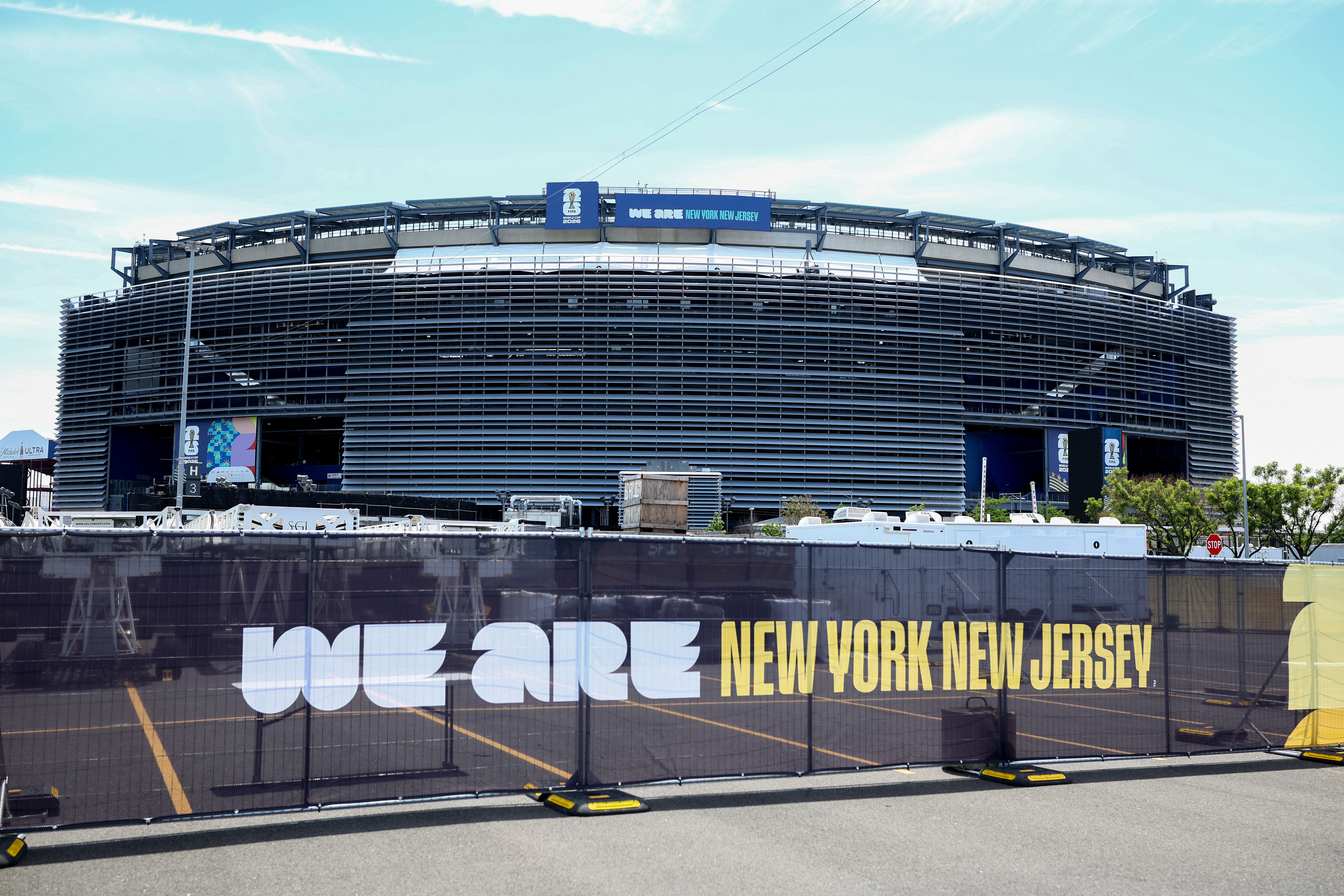
World Cup fever
But will any of those complaints be remembered in the future? That might be up to the players on the field.
The magic on the pitch during the World Cup has a way of erasing everything that happens off it – for better or worse.
In cities around the United States, Mexico and Canada, fan zones are popping up as a gathering place for the soccer-crazed and the soccer-curious to come and enjoy the Beautiful Game. The passion that this tournament inspires has already been on display this month as international friendlies are played around the country as national teams tune up for the big show.
And when the games get going, it’ll be the goals, saves, celebrations and moments of heartbreak that will capture the world’s attention.
That’s not to say that the politics and policy that have dominated the headlines in the days before the tournament will disappear – there’s a real chance they linger throughout, like Trump during the presentation of the Club World Cup trophyafter last summer’s final.
The World Cup typically takes over its host country and turns it into FIFA’s idealized state for the four- or five-week tournament, becoming a unifying global celebration of sport.
Perhaps more than any other tournament, this World Cup is taking on the personality of one of the host countries: It will be big and fun, but it will also be extremely expensive and bring a lot of money into FIFA’s coffers. It will be a party, but the tinge of controversy will never be far away. Fans from around the world will celebrate together and teach each other about their cultures, but there will also be criticisms lobbed at the Trump administration over how foreign visitors to the US are being treated.
All those contradictions combine to create one very on-point picture of the United States in 2026. It makes for a very American World Cup.