Rep. Al Green Helps Put Housing Justice on the National Roadmap with Bipartisan 21st Century ROAD to Housing Act
Francis Page Jr. | 6/24/2026, 4:24 p.m.
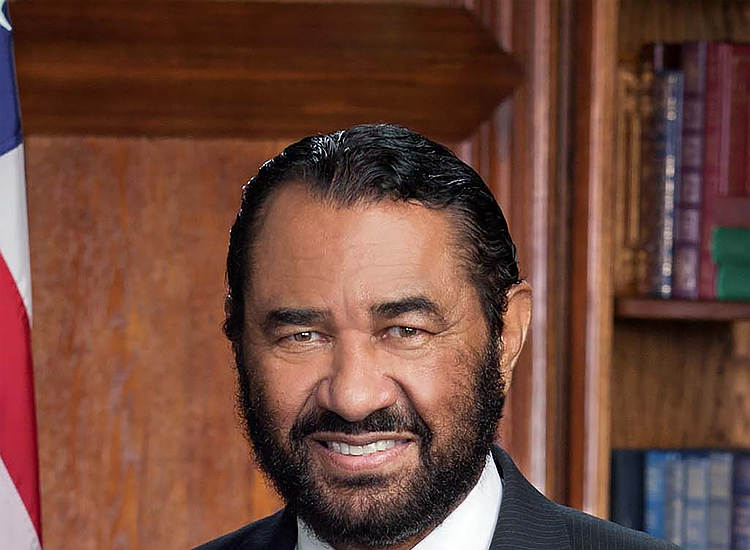
US REP AL GREEN
HOUSTON, TX — In Washington, D.C., where bipartisanship can sometimes feel rarer than a cool August breeze in Houston, Congressman Al Green helped deliver a major post-event victory for families, veterans, disaster survivors, and communities still fighting for a fair shot at the American Dream.
On Tuesday, June 23, 2026, Rep. Green, a member of the House Financial Services Committee, announced that several of his legislative priorities were included in H.R. 6644, the 21st Century ROAD to Housing Act, a sweeping bipartisan housing package that passed both the U.S. House and Senate. The legislation now moves through the final presidential process after winning overwhelming support in Congress — a significant sign that housing affordability, disaster recovery, and homeownership opportunity are not red or blue issues. They are kitchen-table issues.
For Houston and Harris County, this legislation hits close to home. Around here, families know that the word “recovery” is not theoretical. From hurricanes and floods to economic shocks and rising housing costs, Houstonians have had to rebuild more than homes. We have had to rebuild confidence, stability, and sometimes entire neighborhoods. That is why Rep. Green’s inclusion of the Reforming Disaster Recovery Act is especially meaningful.
The provision would authorize and reform the Community Development Block Grant-Disaster Recovery program, better known as CDBG-DR, for three years. Translation for everyday readers: when disaster strikes, communities should not have to wait in bureaucratic limbo while paperwork takes the scenic route. This reform aims to bring more certainty, transparency, and flexibility to disaster recovery funding, especially for low- and moderate-income communities too often left waiting at the back of the line.
Rep. Green framed the moment plainly and powerfully: “Housing is a matter of economic justice.” That sentence should be printed, framed, and placed on every policymaker’s desk. Because housing is not just about roofs, bricks, and mortgage rates. Housing is about whether a child has a stable place to study, whether a senior can age with dignity, whether a veteran can use earned benefits, and whether working families can plant roots without being priced out of their own future.
The bill also includes Green’s Systemic Risk Authority Transparency Act, which would require reports from the Government Accountability Office and federal banking regulators when the systemic risk exception is invoked after major bank failures. In plain English: when big financial decisions are made in moments of crisis, the public deserves answers. Accountability should not disappear behind mahogany doors and financial jargon.
Another people-first provision is the VA Home Loan Awareness Act, co-led by Congressman Green and Congresswoman Monica De La Cruz. It would require Fannie Mae and Freddie Mac to include a disclosure in the Uniform Residential Loan Application, so veterans are informed of home loan benefits available through the Department of Veterans Affairs. After serving the nation, veterans should not have to stumble upon benefits they earned. They should be clearly told, boldly informed, and fully empowered.
Also included is the Housing Supply Frameworks Act, sponsored by Congressman Mike Flood and co-sponsored by Green, directing HUD to publish best practices for state and local zoning frameworks. That matters because America cannot solve a housing shortage by simply admiring the problem. Communities need practical tools to identify barriers, increase production, and build smarter.
To his credit, Rep. Green also acknowledged leaders across party lines, including House Financial Services Committee Chairman French Hill, Ranking Member Maxine Waters, Senate Banking Committee Chairman Tim Scott, and Ranking Member Elizabeth Warren. That list alone tells the story: this was not politics as usual. This was relationship-building, persistence, and the kind of legislative bridgework democracy needs more often.
For Houston Style Magazine readers, the takeaway is clear. Democracy works best when it delivers — not just speeches, but shelter; not just hearings, but help; not just promises, but pathways to ownership and recovery.
And if Washington can find common ground on housing, perhaps there is still room in the national house for hope.